Attorney Mónica Santiago-Lanauze has spent eight years at Ferraiuoli building A Trusts, Estate and Asset Protection Planning practice. She sat down with Maristella Collazo-Soto to name the errors she corrects every week. The short version:
- Estate planning is not about dividing assets. Santiago defines it as a plan made in advance of something certain (death) and something possible (incapacity), built to protect your family and make the transition easier.
- “I don’t have money, so I don’t need a plan” is the misconception she hears most.
- A complete plan is usually four documents: a will, a general and durable power of attorney, advance medical directives, and in some cases a trust.
- A trust is a separate legal box. Assets move out of your personal name into an entity with its own juridical personality, administered by a trustee with a fiduciary duty to the beneficiaries.
- Puerto Rico’s 2020 Civil Code added the surviving spouse as a forced heir. Wills written before November 28, 2020 remain valid but may need adjustment.
- The hardest part of her job is not legal. It is emotional. She works as a mediator so families settle instead of spending the inheritance on litigation.
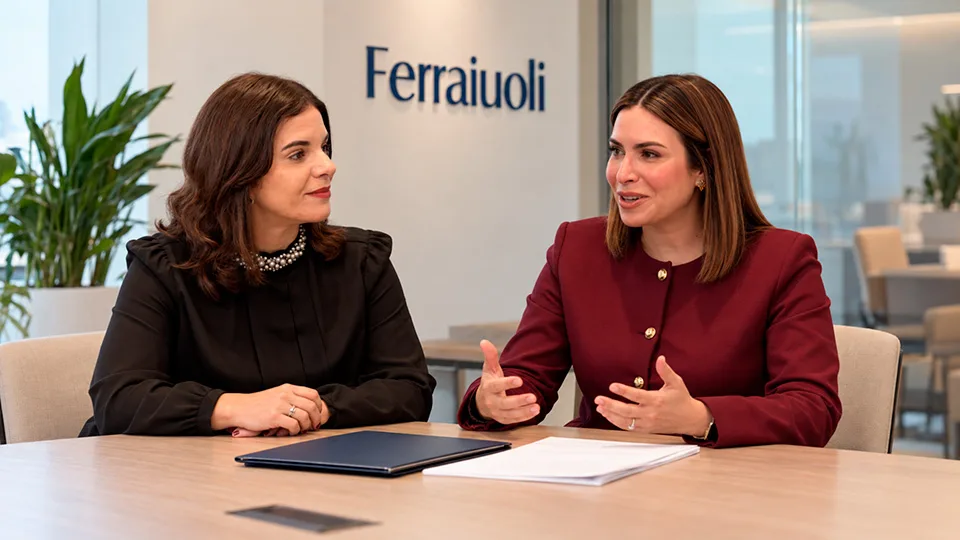
This episode of Así las Cosas covers the succession-planning mistakes Mónica Santiago-Lanauze sees most often in her office, and the tools that prevent them. Host Maristella Collazo-Soto, who admits she had no plan of her own until three years ago, walks through what a complete plan looks like in Puerto Rico.
Mónica’s advice: have something in place now. It doesn’t have to be perfect, and it can be revised later.
What is estate planning, in plain terms?
It is a set of instructions for two scenarios: you are gone, or you are here but unable to act. Attorney Mónica Santiago-Lanauze frames it as using the tools available today to structure a plan for a future absence, so your family has protection and a cleaner transition.
Most people walk in thinking the job is dividing property. Santiago pushes back on that. The document distributes assets, yes, but the purpose is protecting the people who survive you.
Maristella Collazo-Soto‘s reframe during the episode is the one worth keeping: it is an instruction manual for what happens if you are missing, or if you are present and can’t act. She speaks from experience with loss in her own family. When the legal side is in order, the people left behind get to focus on grieving instead of paperwork.
FAQ: Is estate planning only about who gets my property?
No. Attorney Mónica Santiago-Lanauze describes it as a protection tool for your family rather than a distribution exercise. It covers who makes medical decisions if you can’t, who manages your affairs during an incapacity, who raises your minor children, and how the transition happens with the least friction.
Do you need to be wealthy to need an estate plan?
No, and Santiago names this as the misconception she hears more than any other. People tell her they have nothing, no money, nothing to plan. Almost everyone has a bank account and property of some kind.
The calculation changes completely once minor children enter the picture. Young clients tell her they are too young for a will. She says the opposite is true: young parents are the group that most often needs one, because the will is where you name the legal guardian, decide who holds custody if both parents die, appoint who administers the children’s money, and make sure tuition, housing, and medical costs keep getting paid.
Maristella, made the same point about her own children. Guardianship was the part of her plan that mattered most to her, and she admitted she had no plan at all until three years ago, when a colleague pushed her into it. There is a Spanish saying about the blacksmith’s house having wooden knives. She used it on herself.
Which documents make up a complete estate plan?
Four, in most cases, though attorney Mónica Santiago is clear that every case differs.
- The will handles distribution of the inheritance at death, and for parents it handles guardianship.
- The general and durable power of attorney lets you name someone you trust to act for you during an incapacity. Santiago calls this one of the most important, and the reason is practical: without it, the family goes to court to have the person declared incapacitated and a legal guardian appointed. That process costs time and money. A single document avoids it.
- Advance medical directives, the living will, let you state which treatments you would refuse in an incapacity or terminal condition, and name who speaks for you. Santiago’s framing of the benefit is about the people around you: it keeps your family out of the position of guessing what you would have wanted.
- A trust (fideicomiso), in some cases. Not everyone needs one. For the people who do, the drafting has to be done carefully and left flexible, so an unexpected event doesn’t break the plan.
FAQ: What does a durable power of attorney prevent?
It prevents a court incapacity proceeding. Without one, if you become incapacitated, your family has to petition a court to declare you incapacitated and appoint a legal guardian, which takes significant time and money. The power of attorney names your chosen representative in advance, so daily affairs and asset management don’t freeze.
What is a trust, and what does it actually protect?
A separate box. You transfer assets into a trust, which has its own juridical personality. A trustee administers them under a fiduciary duty for the benefit of the designated beneficiaries. Because the assets sit outside your personal name, the structure offers protection in the event of a lawsuit. It also makes distribution easier at death or incapacity, since someone is already appointed to administer what is already out of your estate.
The limit matters, and it is where the Puerto Rico framework bites. You can’t transfer more during your lifetime than you could leave by will. So a person cannot move their entire estate into a trust without risking a claim from forced heirs who argue they were disinherited through it. The exception Collazo-Soto raised and Santiago confirmed: if the forced heirs are the beneficiaries, the tension disappears.
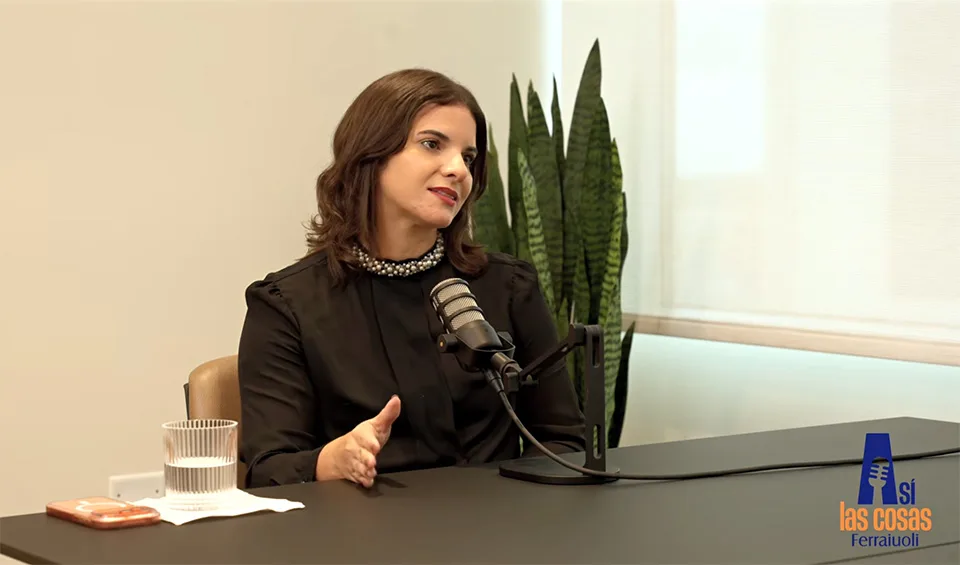
Santiago says she has seen trusts structured every possible way, including badly. Her position is that a trust is not a tool everyone needs, but for the people who do need one, the drafting has to be flexible enough that an unforeseen event doesn’t break it.
FAQ: Can I put everything into a trust and leave out my forced heirs?
No. Under Puerto Rico law you cannot transfer more in life than you could leave by will, so moving an entire estate into a trust exposes it to a claim by forced heirs alleging disinheritance. A trust can protect specific assets, but there is an overlap between what you can transfer into it and the minimum your forced heirs are entitled to receive.
Is your pre-2020 will still valid?
Yes, with adjustments, and this is the question she wants people to stop ignoring.
Puerto Rico’s current Civil Code, Ley 55 de 1 de junio de 2020, took effect on November 28, 2020. The new code honors wills executed under the previous one. What changes is the floor: the document has to be adjusted so the forced heirs recognized today receive their legal minimum.
The specific change that catches people is the surviving spouse. Under the current code the spouse is a forced heir, replacing the prior framework of the widow’s usufruct. Everything else in the earlier will stays intact.
The fix is simpler than most people expect. It happens with a notary, not in court. If you have an open will, you go to a notary, or back to the one who drafted it, and the document is reviewed and updated to current law. Santiago’s standing recommendation is to review these documents periodically regardless of when they were signed.
FAQ: Do I have to go to court to update a will written before 2020?
No. According to Santiago, the update is done with a notary. If you have an open will, you return to a notary, or to the one who originally drafted it, and the document is revised and brought in line with the law currently in force.
What happens when a parent dies without a will?
A judge takes over decisions about your children’s money. Santiago’s worst case involved a wealthy parent with two minor children who never made a will, and therefore never created a testamentary trust to protect them.
The children’s inheritance, millions of dollars, was consigned to the court. From that point the court decides when the money is released, how it is used, and whether a given expense is prudent and in the children’s best interest.
The practical effect is a child’s life being rerouted through a third party nobody chose. Collazo-Soto, who has two children, called it her biggest fear: an unfamiliar judge with a crowded docket and an unknown view of the world making decisions about her children’s education and opportunities. She also made the point that keeps this from being someone else’s problem. She doesn’t have millions either.
Santiago’s conclusion from that file: put something in place, even as a placeholder, and refine it over time.
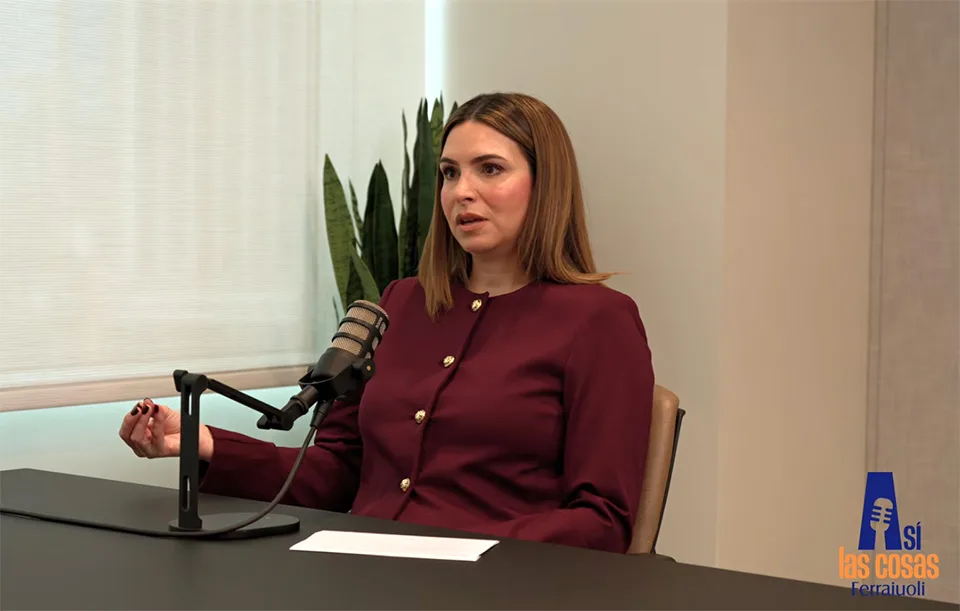
What do people get wrong even when they do plan?
Two things, and neither involves the document itself.
They don’t update it. A will, a power of attorney, or any other piece signed years ago and never revisited stops matching the life it was written for. Santiago’s rule is to review after any change in circumstances.
They don’t communicate. This is the one she emphasized. You can have a perfectly drafted document and still leave your family lost, because nobody knows what you intended, why you structured it that way, or where the document physically is. When someone dies, relatives are left interpreting a decision nobody explained.
Collazo-Soto connected this to a generational pattern she sees. Some people treat the whole subject as superstition, as if making a plan invites the outcome, so the plan either does not exist or exists as a secret.
FAQ: Why does communicating my estate plan matter as much as having one?
Because a document nobody can find or understand creates the conflict it was meant to prevent. Santiago points out that families often have no idea why a plan was structured a certain way or what the intention behind it was, and that gap turns into disputes at the worst possible moment. Telling your family where the document is and what you decided is part of the plan.
Why is the hardest part of this work emotional rather than legal?
Because the legal structure is the easy half. Santiago says the real challenge is family: unresolved issues, and expectations about what each person believes they are owed when a parent or partner dies.
Her approach runs against a certain professional instinct. There are lawyers who are litigious and who create problems where none exist. She works the other way, toward reconciliation, acting as a mediator to reach an agreement everyone can live with, and keeping the matter out of court.
She has a reason beyond preference. Families that fight in court lose the money they are fighting over. In her words, the inheritance ends up belonging to the lawyers. Most of it is avoidable by talking.
The upside shows up in her two favorite kinds of weeks. One is the case of a married couple where one spouse had cancer and planned with time to spare. They built the plan exactly as she wanted it, structured the instructions, addressed the minor children. After she died, every piece executed the way it was designed. Santiago’s satisfaction was not in drafting it. It was in watching it work.
The other happens more quietly. The week of the recording, two sibling disputes that had run for years finally settled, without a courtroom.
Where should you start
Make a call. Santiago’s closing advice is to contact someone who practices in this area, at Ferraiuoli or anywhere you trust, and have an initial conversation about what you need and what you are not seeing. There are usually gaps you don’t know exist.
Don’t wait for pressure. Planning done with a clear head, without emotion or urgency, is planning that gets structured correctly.
And her answer to the cost objection, which she has heard many times: lo barato sale caro. Cheap turns out expensive. Planning now reduces what the process costs your family later, and those are expenses someone will pay either way.
Collazo-Soto’s framing of it is the line to end on. It is an act of love. Santiago’s correction: an act of consideration, because it is not really for you.
Watch the Full Episode
The conversation also covers why Santiago jokes that she is almost a psychologist, how she tailors documents to each family’s particular circumstances, and what she would do with her time if money were not a factor, which involves travel, food, and an unexpected ambition to flip houses.
Watch: El error de no planificar tu sucesión
What is the one document you have been putting off?